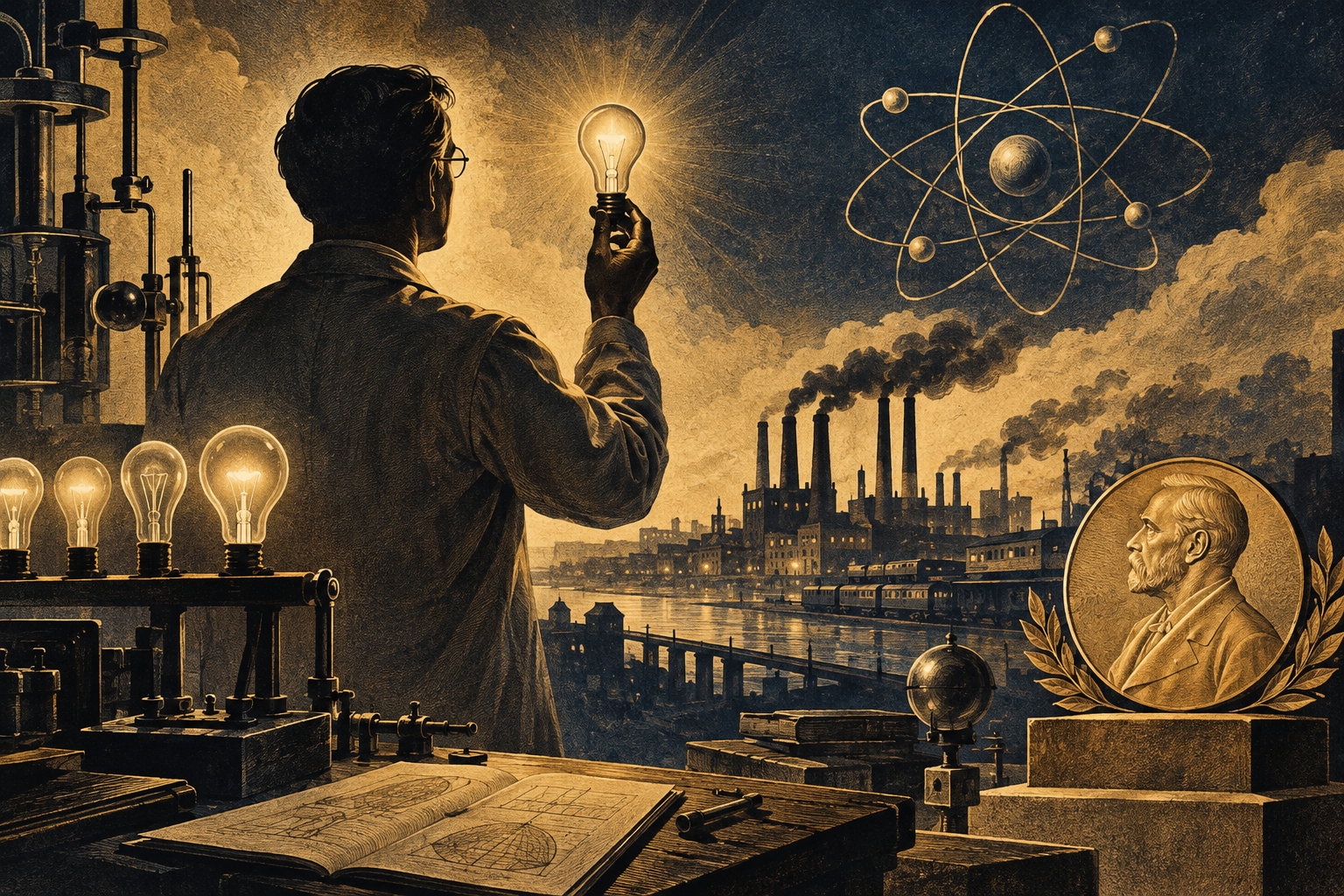
At GE’s Schenectady laboratory, Irving Langmuir’s investigations of lamps opened paths into surface chemistry, atomic hydrogen and chemical bonding. His career brought practical invention together with fundamental research—and a lasting collaboration with Katharine Burr Blodgett.
Jack Welch made Crotonville a testing ground for changing how GE managers thought, spoke, and acted. The exchanges in its celebrated classroom helped inspire Work-Out, an effort to carry candid discussion and faster decisions across the company.
Founded in 1956, Crotonville evolved from a training center for general managers into a meeting place for leadership development, cultural change and customer learning. Its history follows GE’s changing expectations of leaders—and the challenge of renewing a successful institution.
Charles A. Coffin entered the electrical business after two decades in shoe manufacturing and became General Electric’s first president. His career brought together business negotiation, support for engineering, and leadership through an early financial crisis.
Owen D. Young’s career carried him from a New York farm to GE’s boardroom and international negotiations over war reparations. His work in industry, communications, and education also raised a lasting question: whom should a great business serve?
Charles Proteus Steinmetz helped engineers turn alternating current into practical power, bringing mathematical insight to General Electric’s technical challenges. His story also reaches beyond the laboratory—to a family he helped create and a community whose schools he helped improve.
Ernst Alexanderson brought electrical engineering into the emerging worlds of radio and television. His career at General Electric connected generators, long-distance communication, and experiments that brought moving pictures into the home.
At General Electric, Katharine Burr Blodgett learned to build coatings one molecular layer at a time—and used that precision to make glass nearly disappear. Her achievement linked surface chemistry with the practical challenge of reducing reflected light.
Gerard Swope expanded General Electric’s consumer business while introducing employee protections and proposing a national recovery plan. His career connected industrial management with public service, education, and debate over business responsibility.
Gerhard Neumann brought a mechanic’s practical experience to jet-engine invention and aviation leadership. His GE career linked the variable-stator J79 with the expansion of the company’s military and commercial engine businesses.
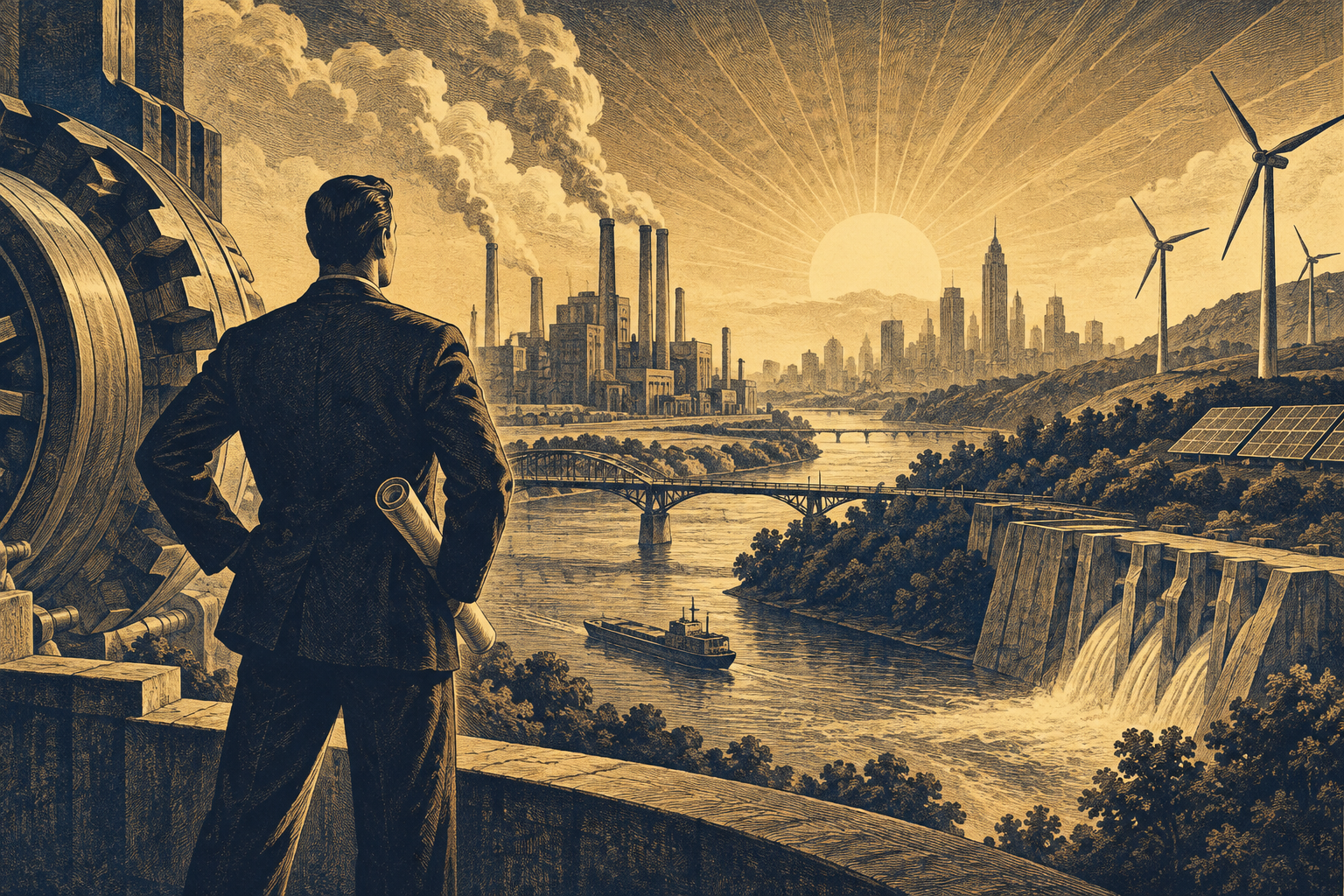
Launched in 2005, ecomagination linked Jeff Immelt’s ambitions for GE’s growth with customers’ demand for cleaner, more efficient technologies. Its history combines measurable commitments and substantial reported revenues with persistent questions about the limits of corporate environmental change.
Beth Comstock’s accounts of innovation connect imaginative thinking with practical decisions about people, resources, and organizational freedom. The supplied sources illuminate that approach, although they do not document a program called Imagination Breakthroughs.
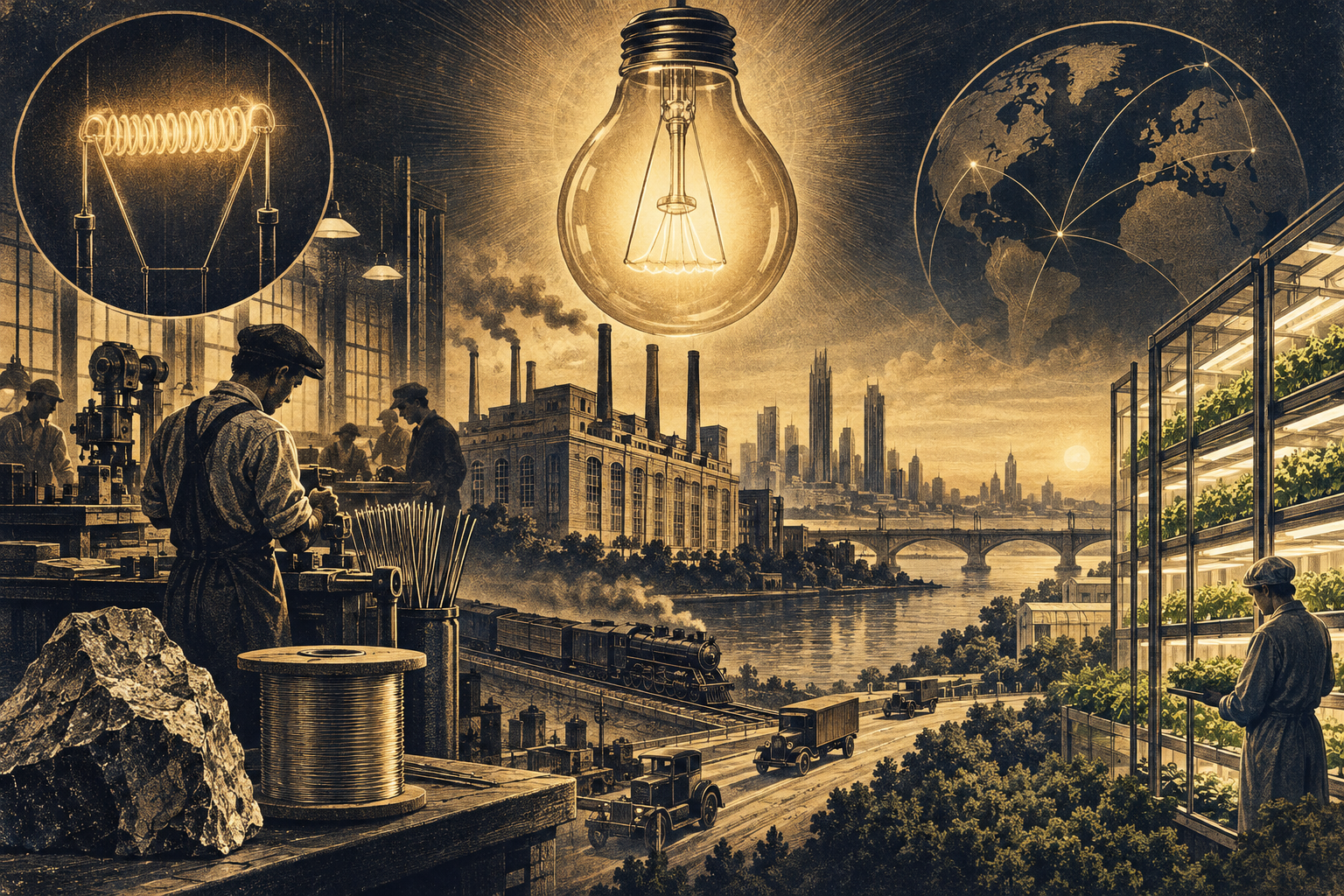
Founded in Hungary in 1896, Tungsram developed a history of lighting and electronics innovation before becoming part of General Electric. Its story connects patented bulbs, a major American manufacturing investment, renewed independence and experiments in growing food under LEDs.
GE Heritage Village is an independent volunteer heritage project, not affiliated with or endorsed by GE, its successor companies or Crotonville. Stories are written with AI help from the public sources cited on each page and checked against them automatically; please follow the source links to confirm details.